

CLEAR SEOUL Clinic
CLEAR SEOUL Clinic

LOGIN
REGISTER


Táiwān
Táiwān


What is Dry Eye?
An eye disease caused by abnormalities of the tear film!
CLEAR SEOUL EYE CLINIC
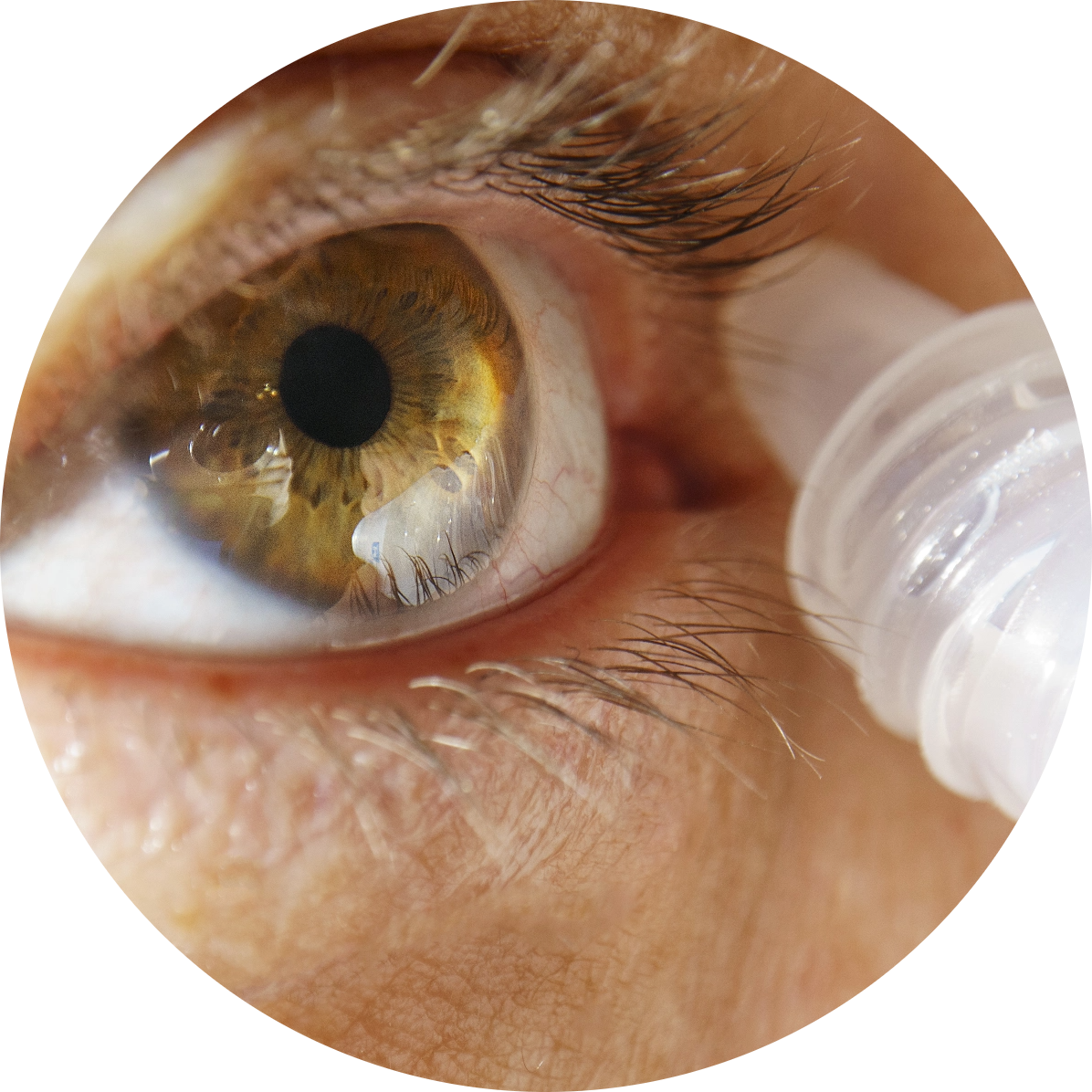

The corneal surface of the eye is covered by a tear film made up of three
layers: the mucin layer, aqueous layer, and lipid layer.
When this tear film is disrupted by various causes,
a range of uncomfortable
symptoms develop, and these symptoms are called dry eye syndrome.
Dry Eye Symptoms

Burning or stinging sensation
Feeling that vision is blurry
Gritty feeling, as if there is sand in the eye
Stinging and dry, stiff eyes
Stringy discharge around or in the eyes
Watery eyes in smoke or wind
Worsens in dry environments (air conditioning, heating)
Eyelid Hygiene to Prevent
Meibomian Gland Dysfunction (MGD)
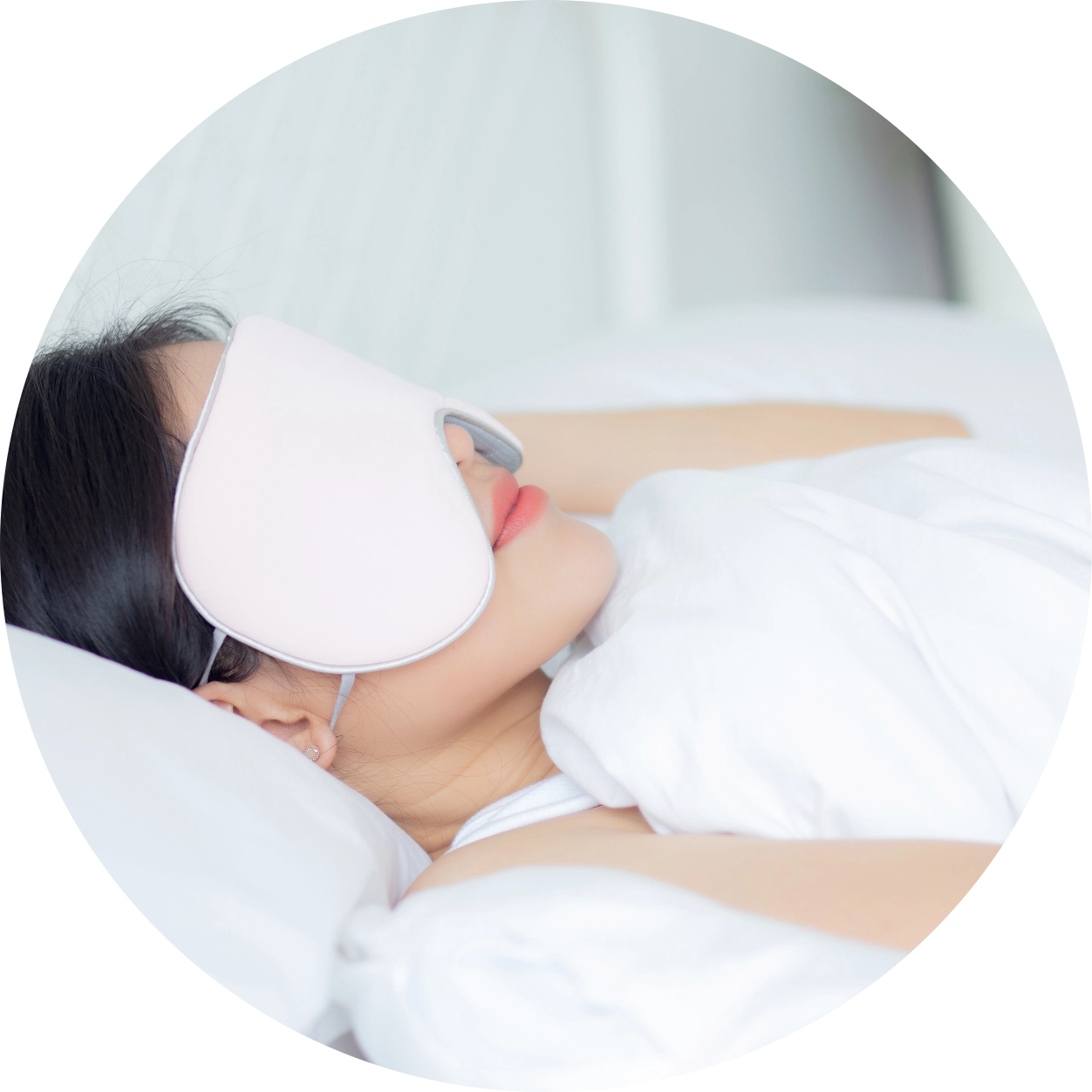
To prevent meibomian gland
dysfunction (MGD),
above all, keeping your eyelids clean every day is important.
A warm compress around the eyes for about 30 minutes once a day is effective,
and cleaning the eyelids thoroughly with a dedicated eyelid cleanser afterward
greatly helps prevent meibomian gland dysfunction (MGD).
Dry Eye Treatment
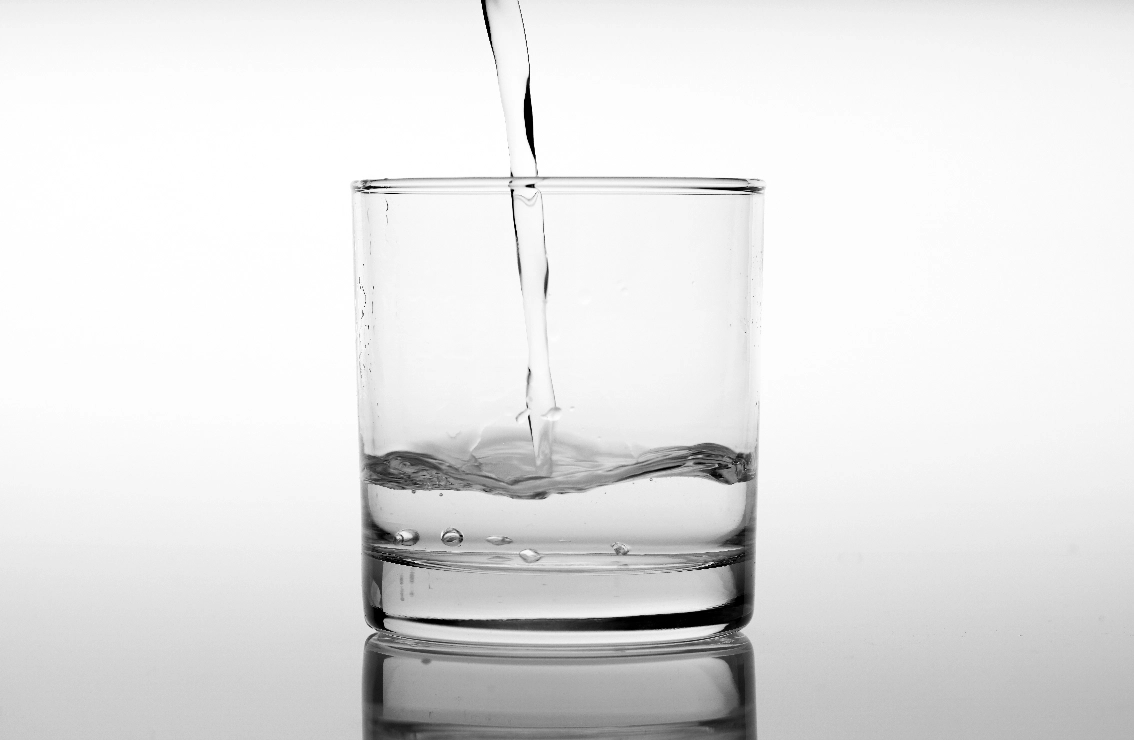
STEP 1
When dryness and a foreign body sensation
occur 3~4 times within a day or two
Increase water intake
Use artificial tears
STEP 2
When dry eye symptoms occur about 4~5 times a day
Use artificial tears whenever symptoms appear
Take supplements that help form the tear film
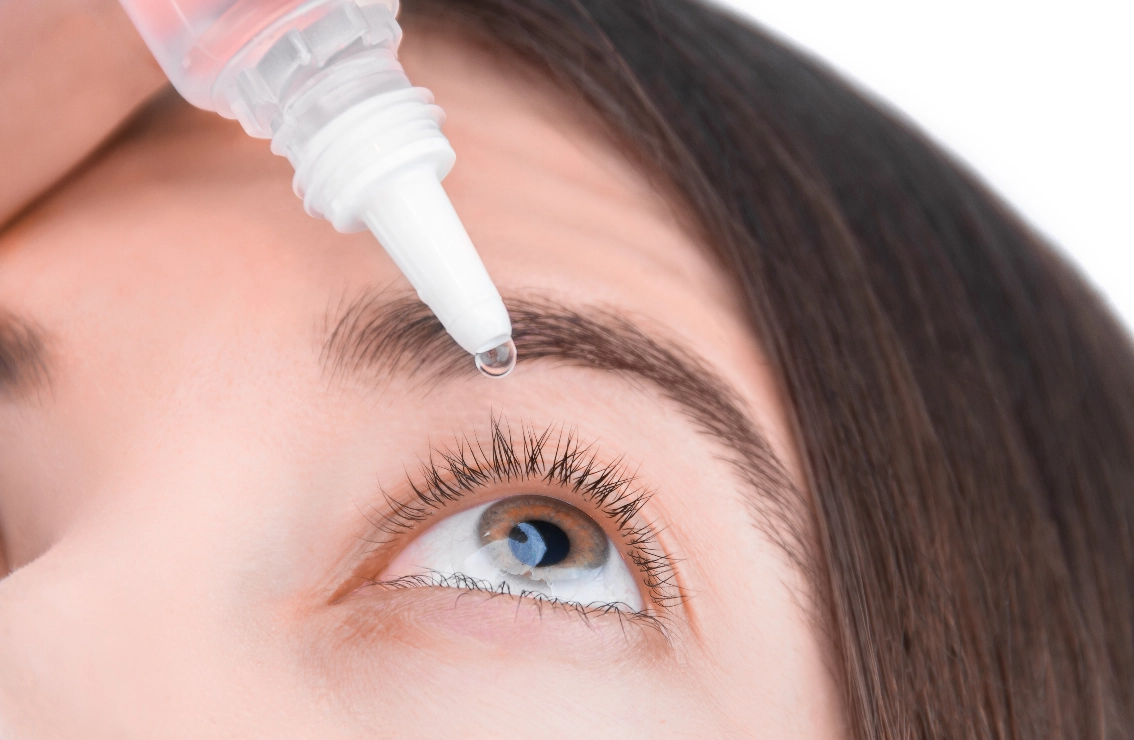
STEP 3
When the eyes are irritated all day long
Use autologous serum eye drops
Take antibiotics
Surgery may be needed depending on the patient
Daily Care for Dry Eye
Avoid excessive use of
air conditioners and
heaters.
Use a humidifier to
maintain proper
humidity.
Ventilate indoor spaces
frequently.
Drink more
water.
Limit long hours of computer use, gaming,
reading, and smartphone
use.
Wear glasses to reduce
external irritation.
Causes of Dry Eye
An eye disease caused by abnormalities of the tear film!
CLEAR SEOUL EYE CLINIC

The corneal surface of the eye is covered by a tear film made up of three
layers: the mucin layer, aqueous layer, and lipid layer.
When this tear film is disrupted by various causes,
a range of uncomfortable
symptoms develop, and these symptoms are called dry eye syndrome.
Causes of Dry Eye

Aging
Excessive tear evaporation
(mainly caused by meibomitis)
Decreased tear secretion
Eyelid problems
Tear deficiency
Inflammation of the tear-producing glands
Sjögren's syndrome
Thyroid disease
Tear film evaporation
Medication use
Stevens-Johnson syndrome
Environmental factors
Another Cause of Dry Eye: Meibomitis
What is meibomitis? It is inflammation of the oil glands (meibomian glands) located along the eyelid margin or near the eyelashes.
When waste or bacteria build up in the oil glands, oil cannot be released, causing inflammation.
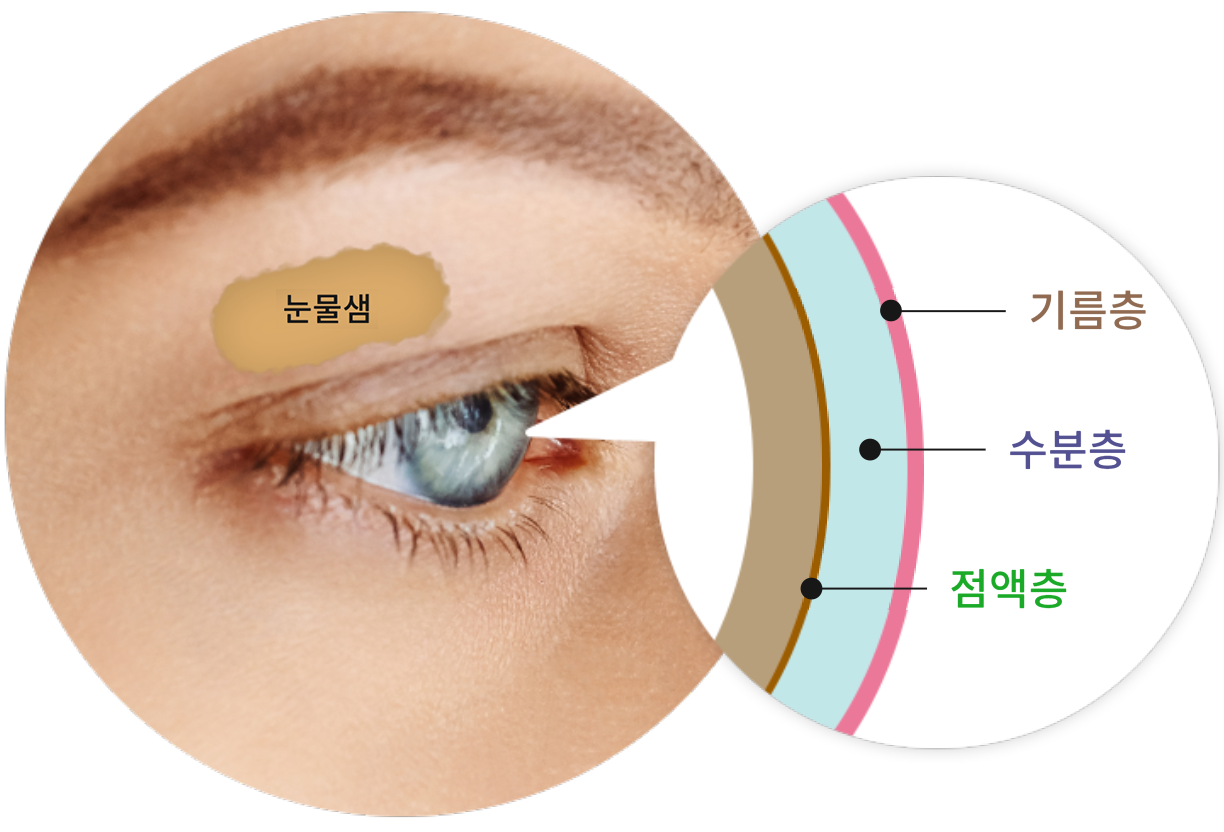
Lipid Layer
The layer that prevents tears from evaporating.
Aqueous Layer
Washes away dust and foreign particles that enter the eye
and keeps the eye moist.
Mucin Layer
Helps the aqueous layer stay on the surface of the eye.
Preventing Meibomian Gland
Dysfunction (MGD)
To keep the meibomian glands working well, keeping the eyelids clean is important. Applying a warm compress around the eyes or cleaning them with an eyelid cleanser can reduce the occurrence of meibomian gland inflammation.
Dry Eye Diagnosis

My eyes feel dry and tired, with a gritty feeling like grains of sand rolling around.
My eyes often turn red or feel more uncomfortable when I wear contact lenses.
My vision often feels dim when watching TV, using a computer, or reading.
My eyes often itch, and sticky discharge forms.
I experience glare, or sudden bursts of heavy tearing.
I am easily irritated by wind, smoke, and the like.
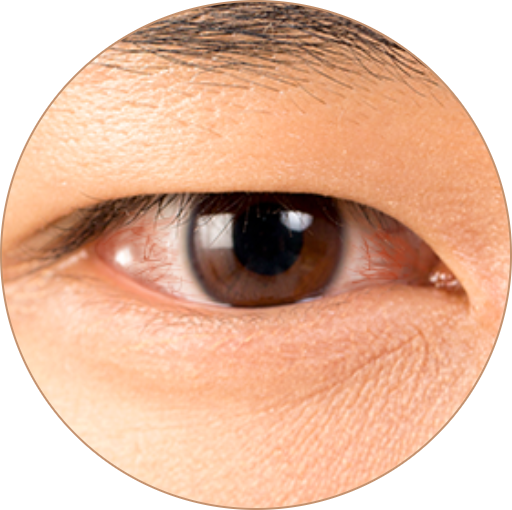
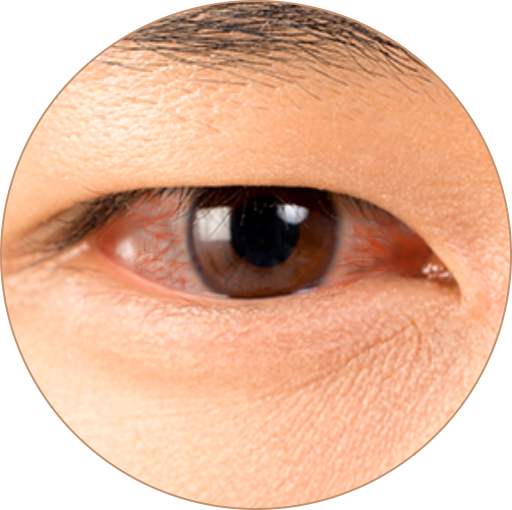
Dry Eye Progression by Stage
Dry Eye Examination Methods
STEP 01
Tear Secretion Test

Measures the amount of tear secretion
Checks for dry eye based on tear volume
Assesses how well the tears function
STEP 02
Tear Film Breakup Time Test
Dye is applied to the lower conjunctiva to stain the tear film
Observes how long the tear film lasts while the eyes are open
Less than 10 seconds indicates below-normal function
STEP 03
Meibomian Gland Test
Observes the condition of the meibomian glands
Meibomian glands secrete components of the tear film
Meibomian gland disease is a major cause of dry eye
STEP 04
Slit-Lamp Microscope Examination
Examines conjunctival dryness and measures tear meniscus thickness
Checks for inflammation of the eyelid margin and cornea
Examination to identify the cause of dry eye



tel
02-599-7779
Clinic Hours
Mon,Tue,Thu,Fri : 09:30 AM ~ 06:30 PM
Lunch Break : 01:00 PM ~ 02:00 PM
Sat : 09:00 AM ~ 03:30 PM (no lunch break)
Wed, Sun and Holiday are break
CLEAR SEOUL Ophthalmology
CEO : Lim Tae-hyung
Business Registration Number : 441-90-01875
Address : (BLOCK77) 6F, 17, Seocho-daero 77-gil, Seocho-gu, Seoul, South Korea
